May 16, 2008

4.7 APOD

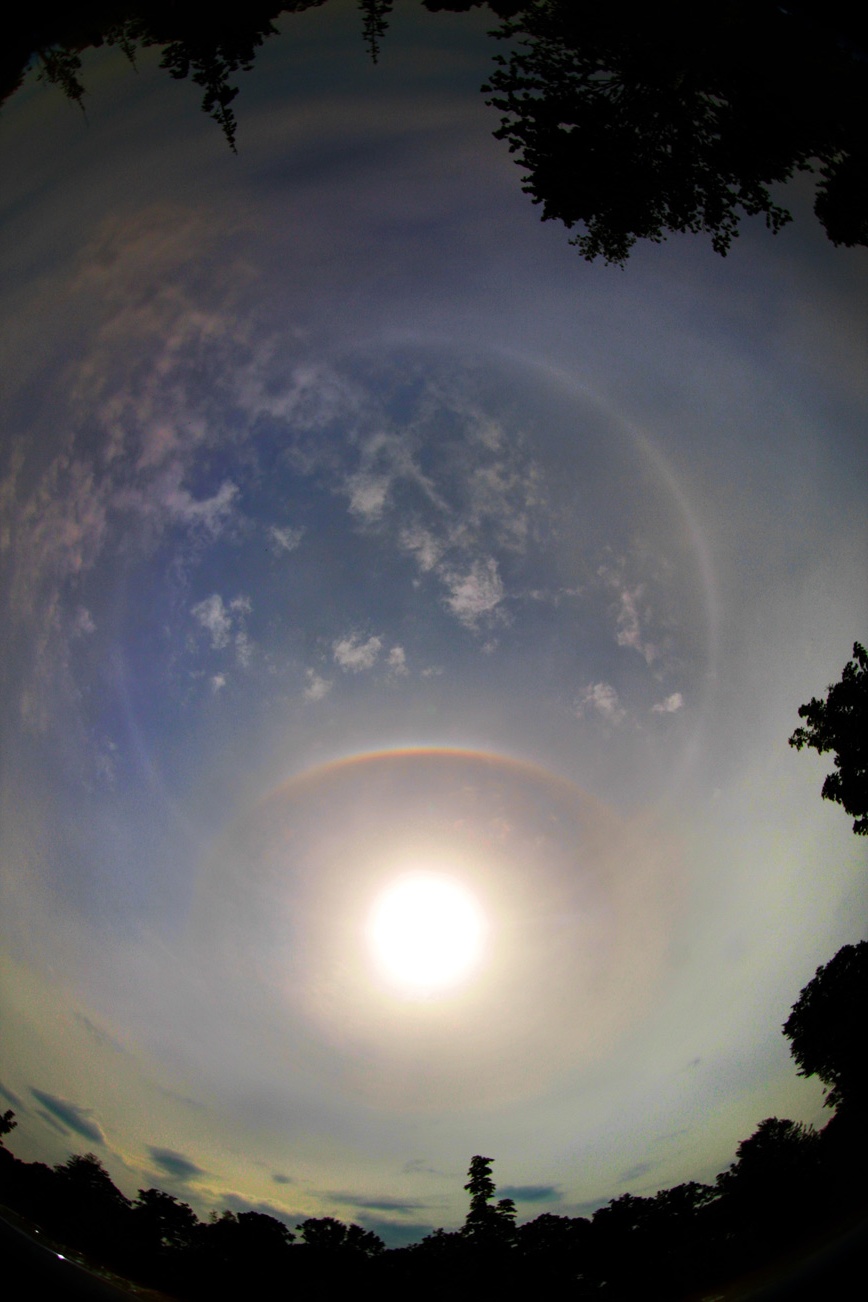
Circles in the Sky
At first, I thought that this was a rainbow, but without the colors... But, in fact, it's an ice halo in the sky. It reminds me of the time in elementary school where there was some water event going on. Then, when they were splashing water at us, I looked up and saw a great colorful ring which I think it's a rainbow. That was really awesome.

May 9, 2008

4.6 APOD

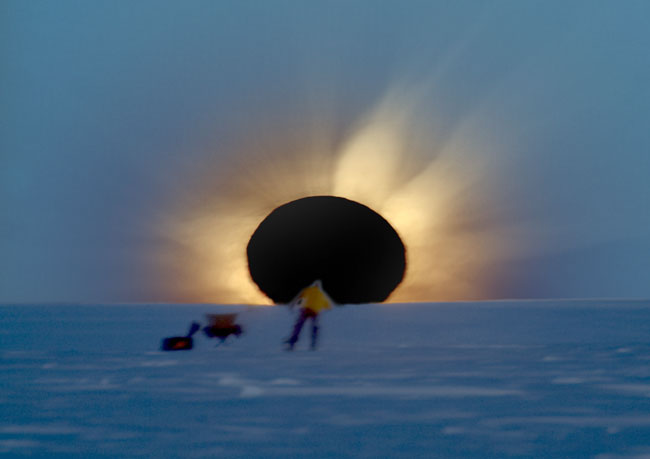
An Antarctic Total Solar Eclipse
A solar eclipse??? No way... that looks like the guy is being sucked into a black hole. Even the picture is all blurry and distorted. I really want to see that now, light bursting out thru the edge of the pitch dark moon. I can't imagine how bright it'll be when more light passes through.

May 2, 2008

APOD 4.5

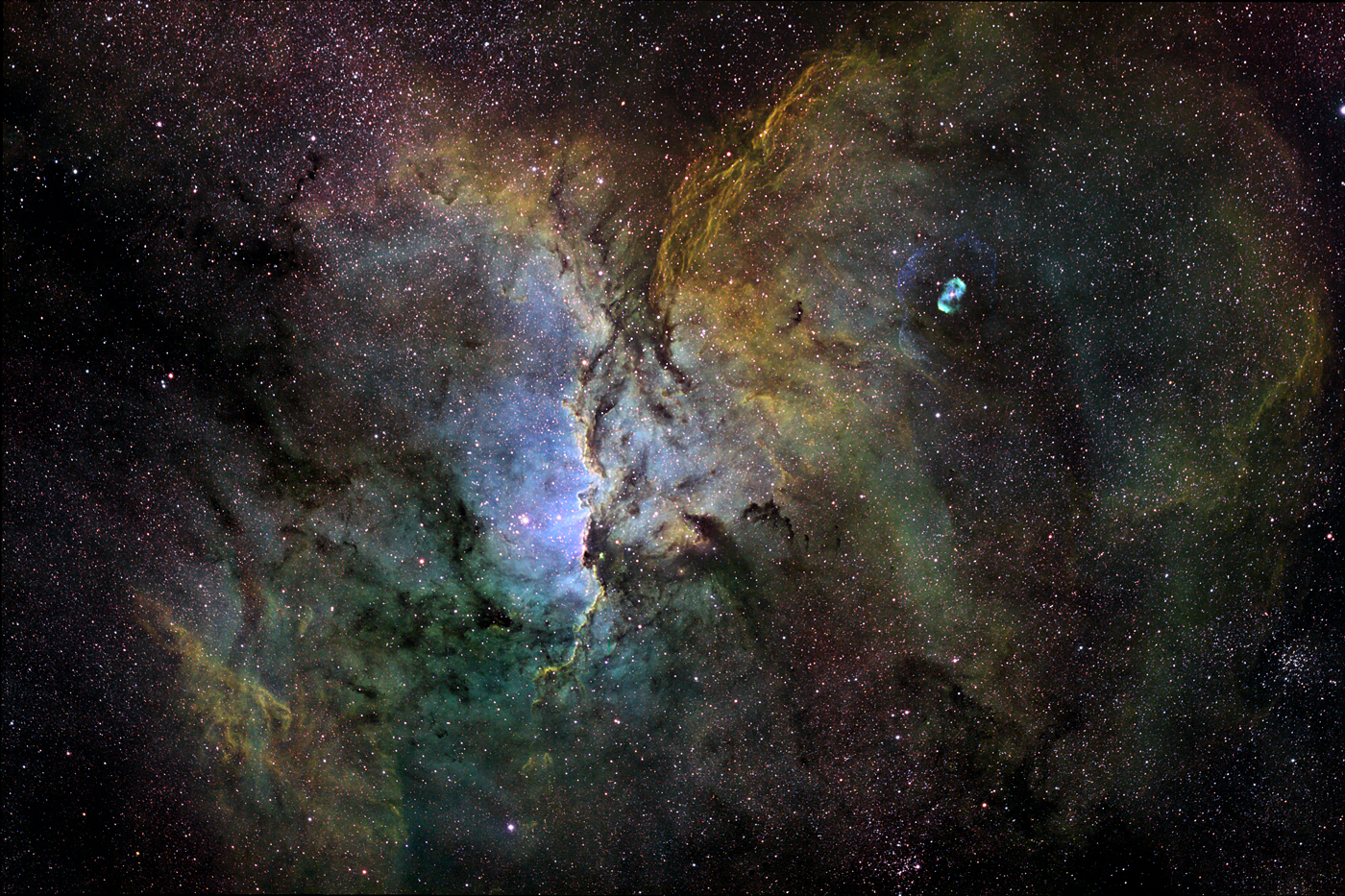
Shaping NGC 6188
None of the constellation pictures are pretty this week. This is the best of the batch! Apparently Trish thinks that it looks like a butterfly, but I think it resembles a phantom of some sort. Either way I think it looks really weird. The middle glowing portion makes it seem like it's full of like and ready to just burst out completely.

April 25, 2008

4.4 APOD

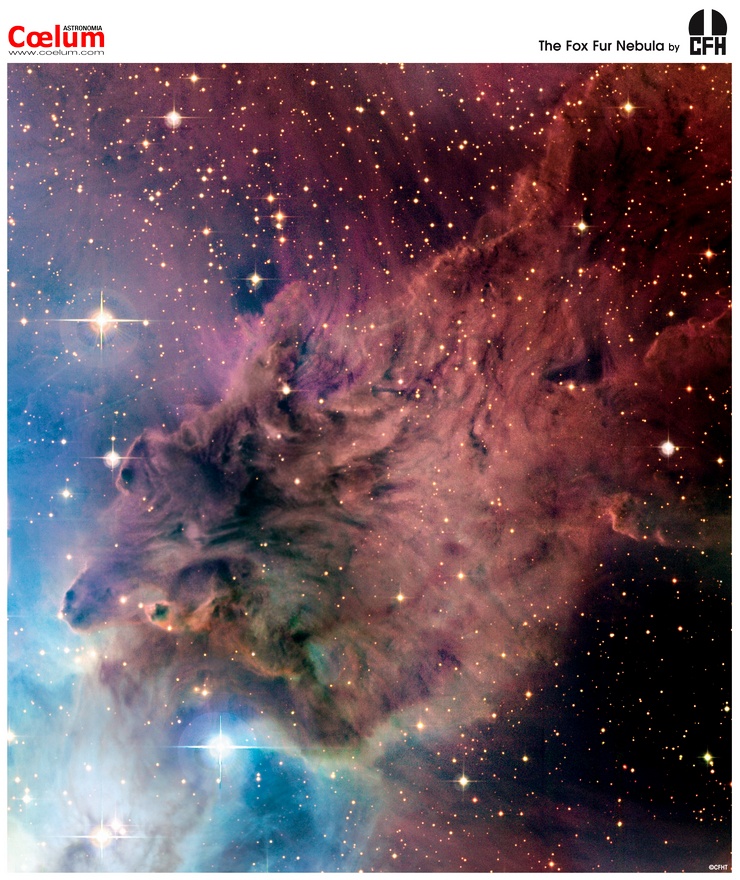
The Fox Fur Nebula from CFHT
Amazing! That really looks like a fox and all that fur around it! Although certain parts of the "head" looks as though it could be many heads combined, it still resembles a fox greatly. And the pink emission just brings it to life.

April 18, 2008

4.3 APOD

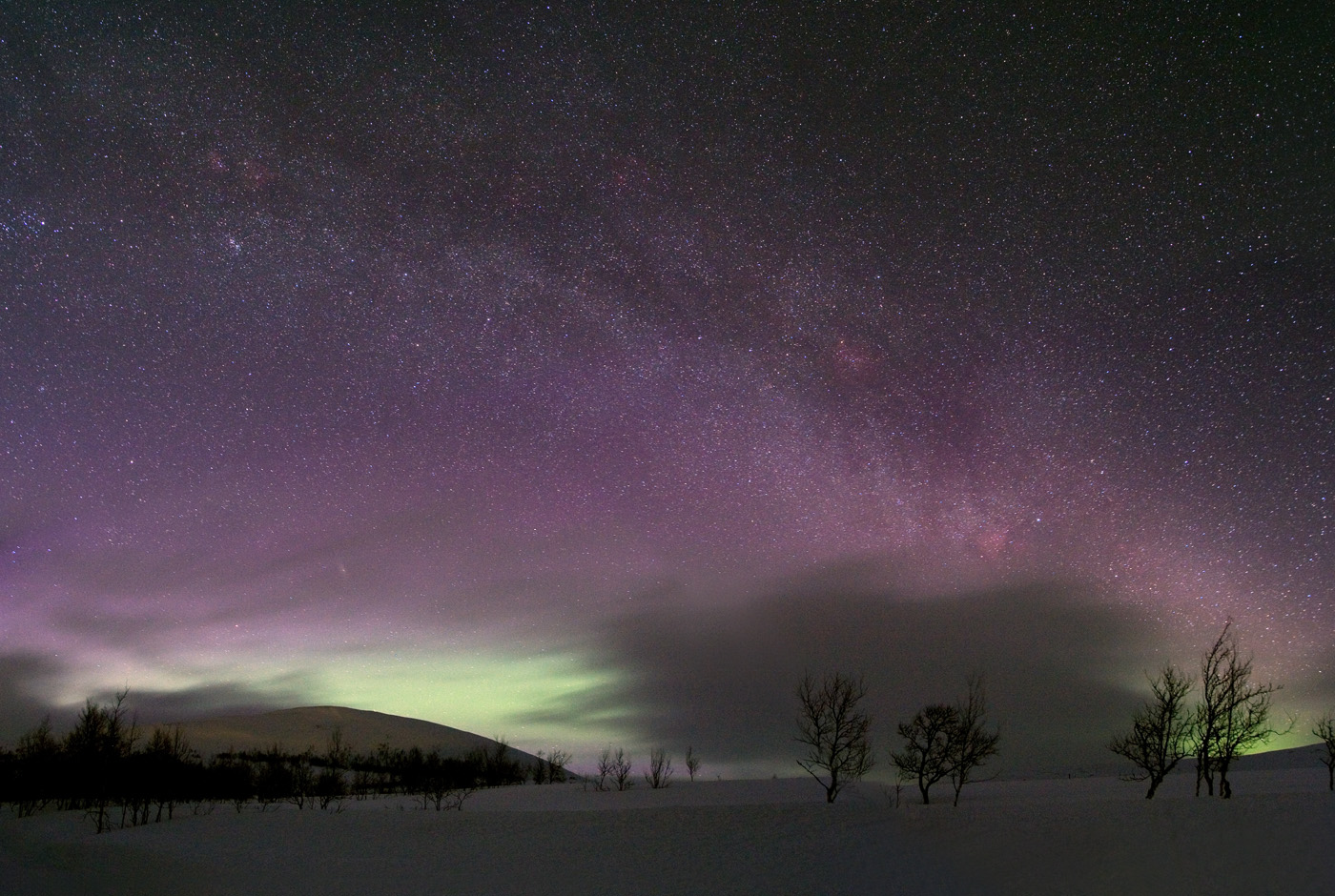
Sky Delights Over Sweden
This is like a surreal painting of some sort. It does not look real at all. I wonder how the Milky Way Galaxy's central plane can glow is this purplish color in the night. Then to add on to the mysteriousness, there's the green and red auroras near the horizon... just creeping up on you. Apparently there's also red emission nebulas and the Andromeda galaxy but I can't see those at all. All I see are little stars in the sky.

April 11, 2008

4.2 APOD

Layers in Aureum Chaos
This really does look like waves in the ocean. Or like layers of paper peeling off of some hard surface. In fact, these are actually layered rock outcrops in the Aureum Chaos on Mars. These outcrops were formed from volcanic ash, sand, or deposits on lake bottom. The rock patterns look so gentle and delicate that the wind can actually blow them off the surface.

March 27, 2008

4.1 APOD

Endeavour to Orbit
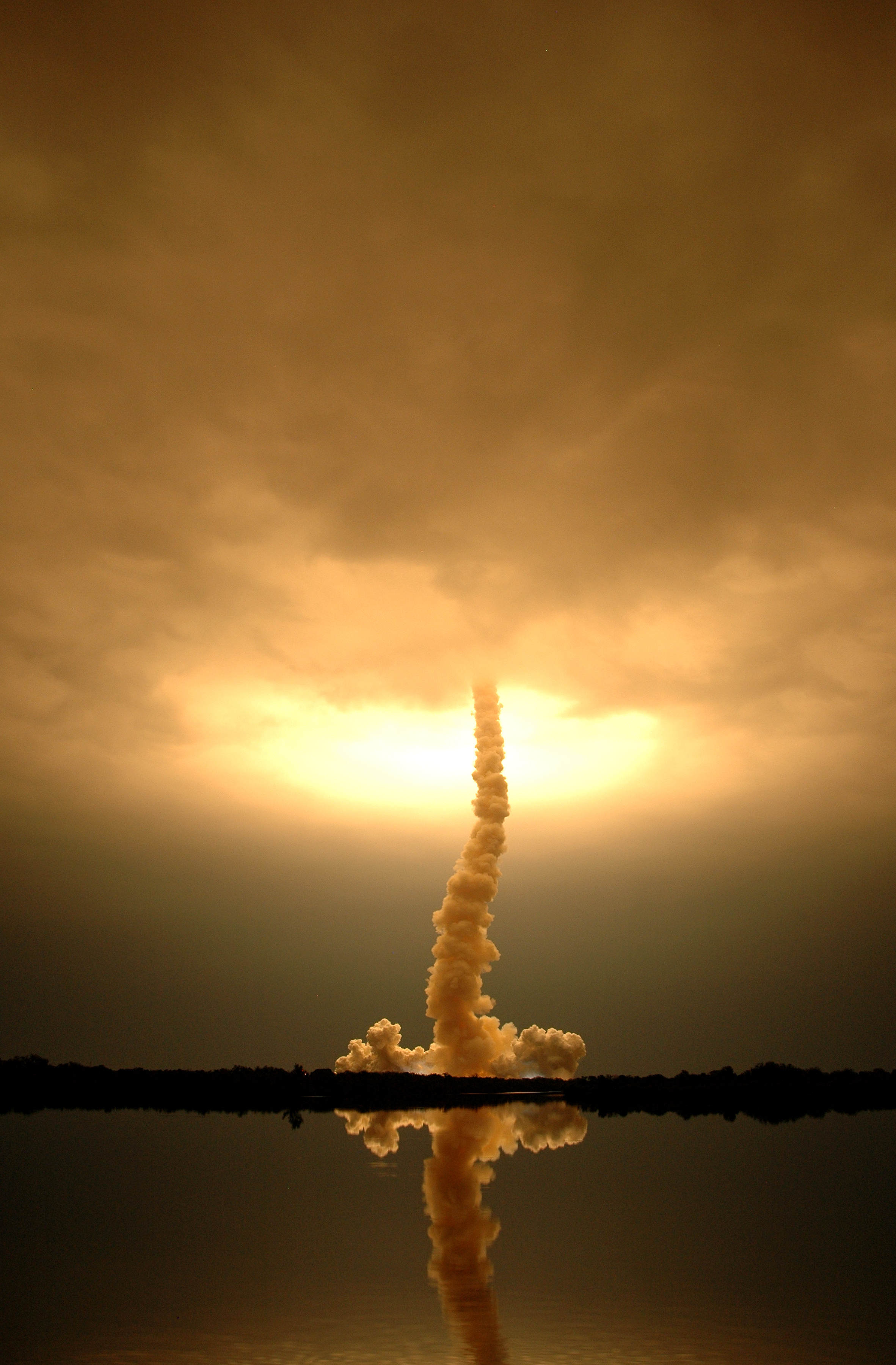
The column of smoke is from the Space Shuttle Endeavour launch towards the International Space Station. This looks so unrealistic, like something coming down from the heavens. It just seems to connect Earth and the beyond. From this far distance, you can see it go above the clouds but you can't really imagine how high it is unless you're standing next to it. Apparently, there are Rocket launches once a week on Earth so these scenes can be pretty common.

March 14, 2008

3.10 APOD

M104 Hubble Remix
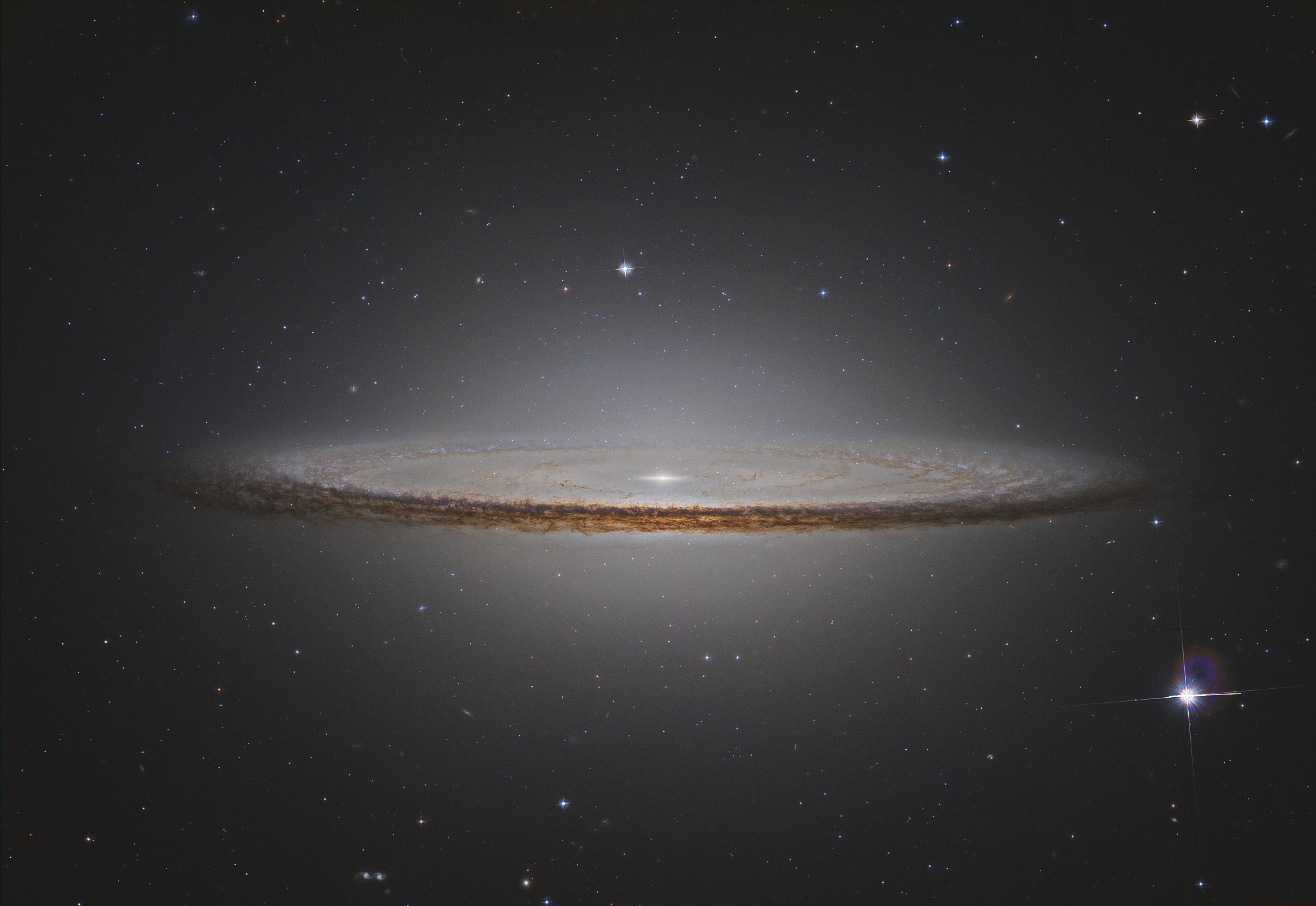
A Remix....? I have no clue what they meant by that but this looks like a UFO sighting from one of those old movies. It's like a flying disk and the glow just brings out that mysteriousness. It's said that the cosmic dust lanes give the hat-like look like the Sombrero Galaxy. M104 is one of the largest galaxies at the southern edge of Virgo Galaxy Cluster.

March 7, 2008

3.9 APOD

NGC 6334: The Cat's Paw Nebula
Cat's paw...if I turn my head and look at it diagonally, I can kind of see the paw they're talking about. But really, it's just patches of red clusters of stars. Actually, in the top right cluster, I can see a face in it. The round yellow thing is like the eye and then the nose comes down beside it. The bright white part is the tip of the nose. If I could, I would name it a fox nebula or something. And the other 2 clusters?... I don't know... But this looks really cool though. It's just so red.

February 29, 2008

Willem De Sitter

Willem De Sitter was born in Sneek on May 6, 1872. He was a Dutch astronomer and mathematician. In his early years, he had done experimental work for physics at the astronomical laboratory of Jacobus C. Kapteyn. He was also involved in measuring photographic plates from the Cape Observatory in South Africa to chart the southern skies.

In 1897, De Sitter began working on celestial mechanics and stellar photometry. He worked with others to measure the four Galilean satellites of Jupiter. He calculated the mass of the satellites from perturbations in its orbit. Then, he published the results in his New Mathematical Theory of Jupiter's Satellites in 1925.

In 1908, he was professor of theoretic astronomy of the University of Leiden. Then, he was appointed the chair of astronomy at the university. From 1919 up until his death, he was also the director of their Observatory.

In 1932, he and Einstein co-authored a paper where they argued the existence of dark matter, where there's a large amount of matter but they do not emit light. Afterwards, De Sitter proposed the de Sitter universe which was in contrast to the Einstein universe. Einstein had came up with a static universe from solving equations of his general relativity theory. But De Sitter came across another solution to the equation. He was able to solve it even if no matter were present. De Sitter concluded that space can't be in a stable equilibrium. So, Einstein's universe had matter but no motion while de Sitter's had motion but no matter. A few years after, two Russian mathematicians indepently came up with the idea of an expanding universe with moving matter. De Sitter's universe could now be transformed into an expanding universe. Ultimately, it combined with Einstein's universe to form the Einstein-de Sitter universe which contained normal Euclidean space and a simple curved space. It formulated the idea that the universe is expanding at a decreasing rate that gets closer and closer to zero.

In 1919, he was operated for gallstones. But the overdose of ether that was given caused his health to degenerate. He also had tuberculosis which made him spend two years in Switzerland. But, he still continued his research and carried out observational studies. In his lifetime, he received the Gold medal of the Royal Astronomical Society and the Bruce Medal of the Astronomical Society of the Pacific. From 1925 to 1928, he was the president of the International Astronomical Union. Then on November 19, 1934, he passed away from illness.

3.8 APOD

Dawn of the Large Hadron Collider
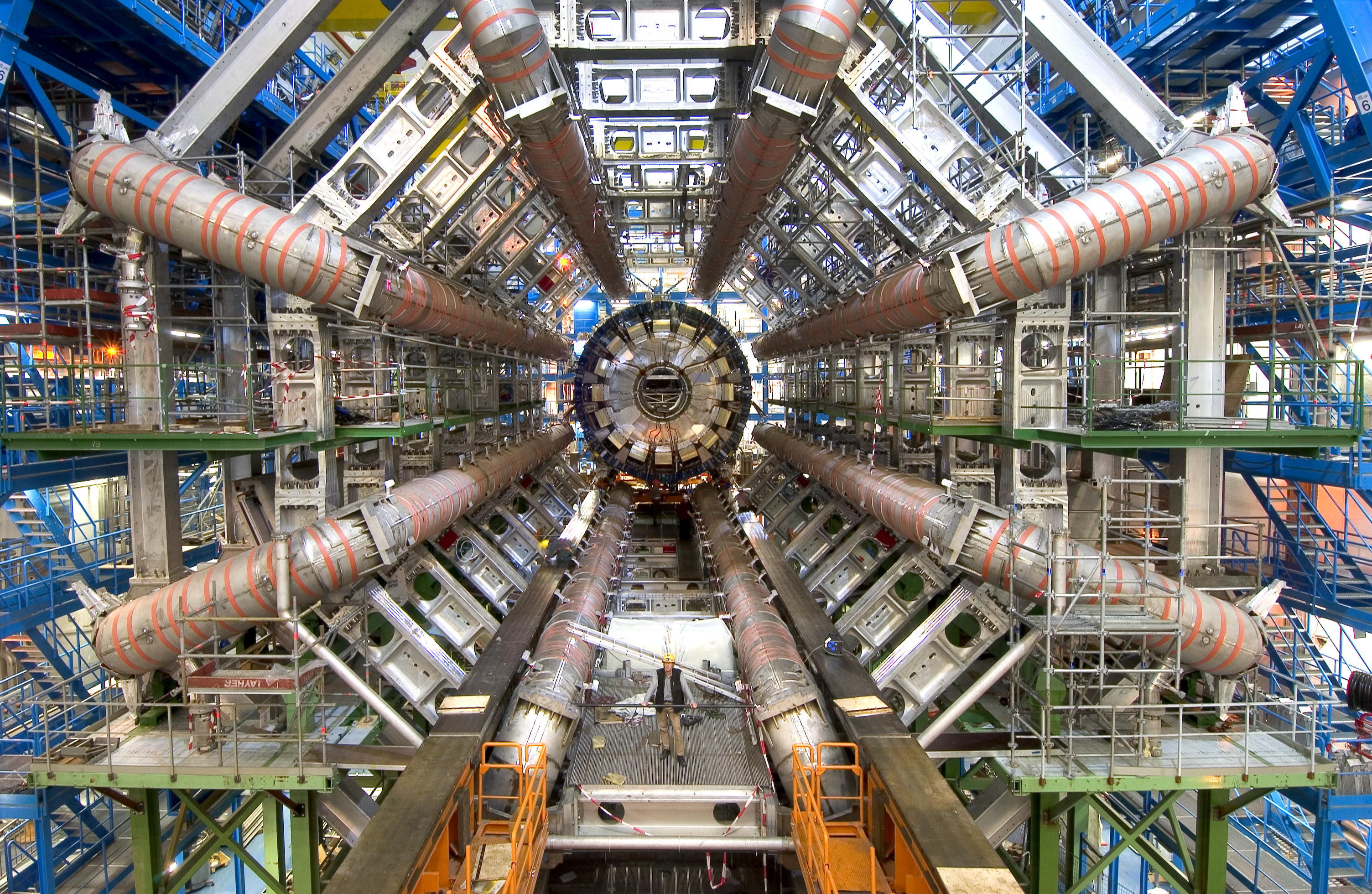
Wow there's so much going on in this picture. At first glance, I thought it was a view from above some tall structure looking down. But then, I saw the little guy standing in the middle. Apparently you're looking straight through the tunnel. This is the most powerful particle accelerator called the Large Hadron Collider. This operation will start going into effect this May, exploring the many wonders surrounding the property of mass.

February 14, 2008

3.6 APOD

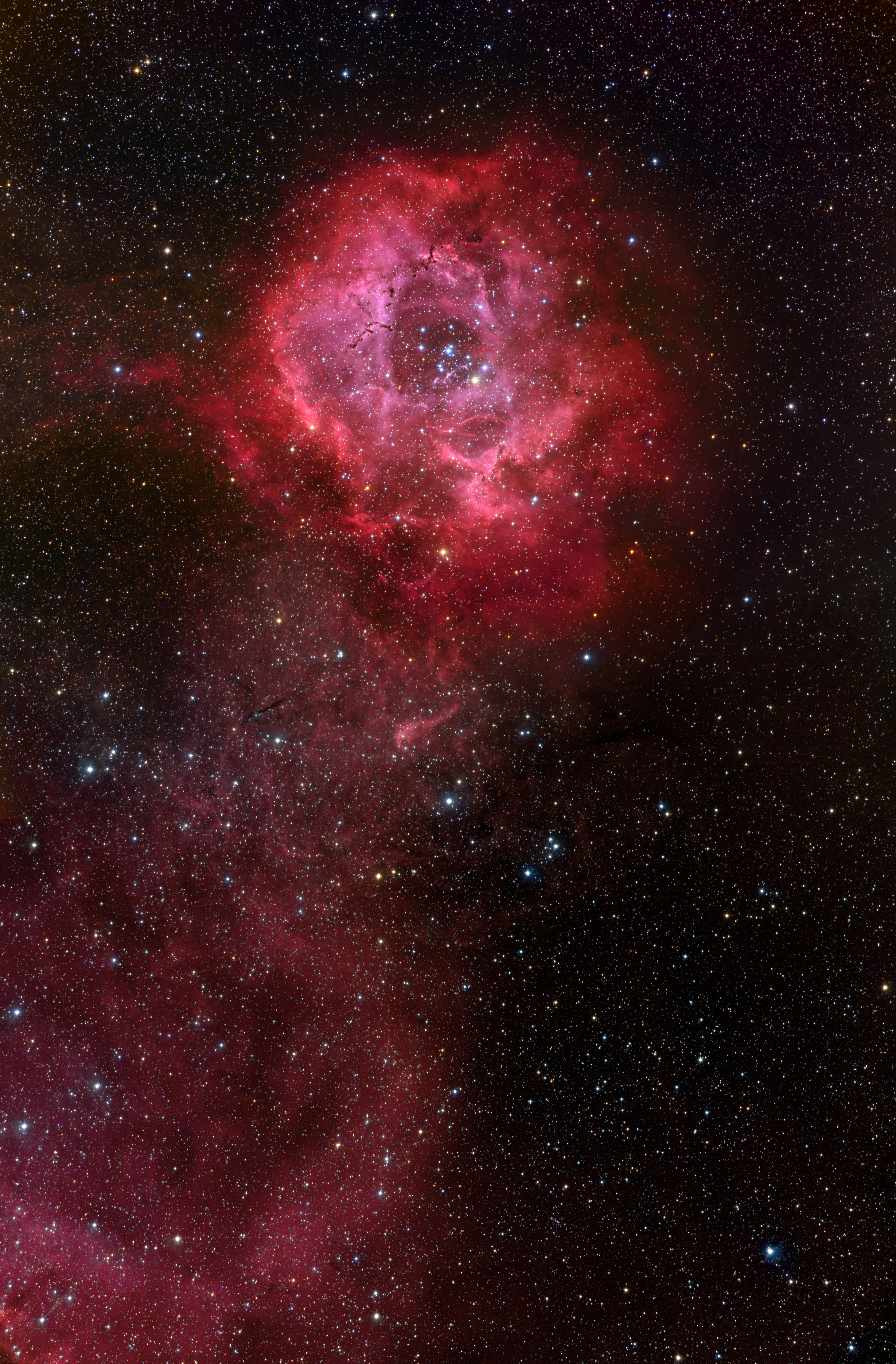
Long Stem Rosette
This is a nice picture for Valentine's Day...a nebula that looks like a rose! The petals of the "rose" were shaped by the winds and radiation from its central cluster of hot young stars. While the stars in the cluster is only a few million years old, the central cavity of this Rosette Nebula is about 50 light years in diameter. I like how they colored this pink too so it looks so nice.

February 7, 2008

3.5 APOD

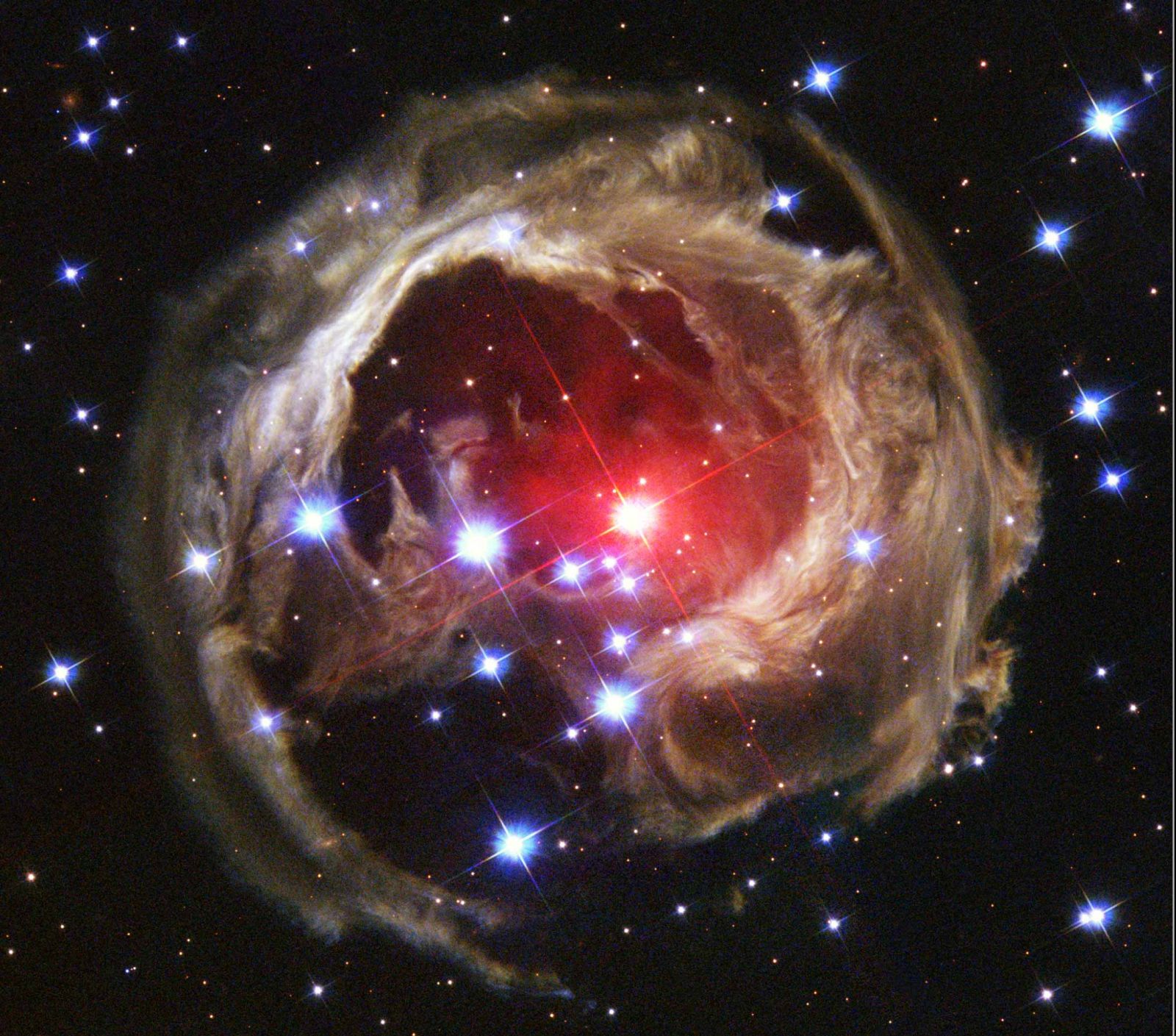
Light Echoes from V838 Mon
Wow! This looks like a big furball dispersed in the night sky. Apparently, this V838 Mon's outer surface expanded so much that it suddenly became the brightest star in the entire Milky Way Galaxy. While there are material being expelled into space, the light echo is being reflected by distant rings around the star. This just looks so unreal!

February 1, 2008

3.4 APOD

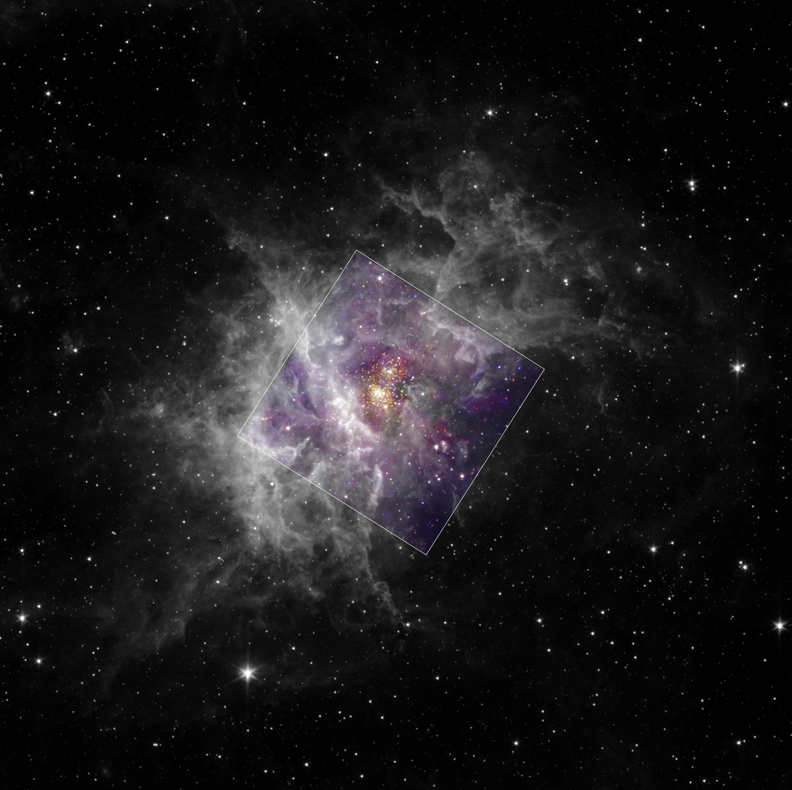
Young Star Cluster Westerlund 2
That looks so cool, especially the way they colored it and made it look more mysterious. The central part is so full of hot stars that you can see the bright orange glow coming from it. Westerlund 2 has some of our galaxy's mostluminous, massive, and short lived stars. That little square area is actually 50 light years wide.

January 25, 2008

3.3 APOD

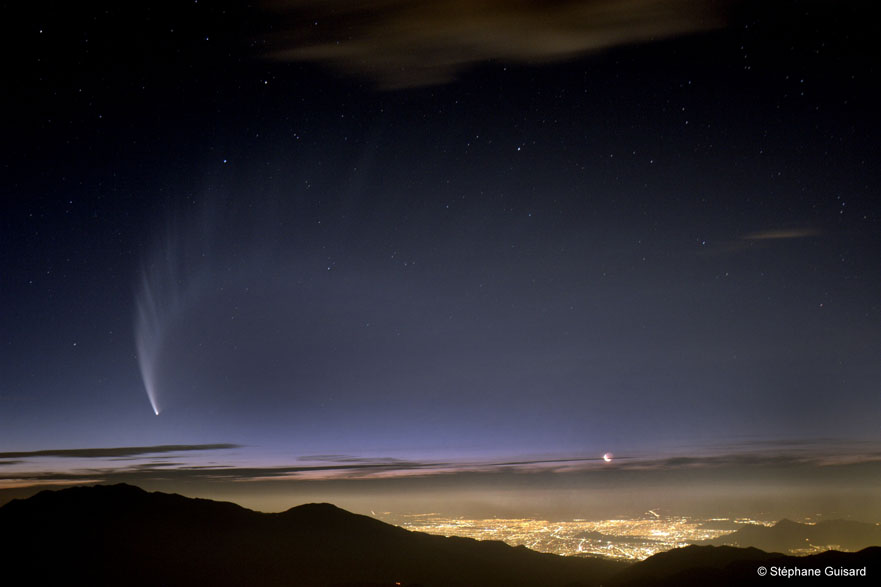
Comet McNaught Over Chile
This picture is so pretty, I love the glimmers from the city light below the dark night sky. This picture was taken from the Andes Mountains, capturing Comet McNaught's curvy tail on the left. In the meantime, you can also see the crescent moon glowing on the right side. This looks so nice, it makes me want to go Chile just to see it.

January 18, 2008

3.2 APOD

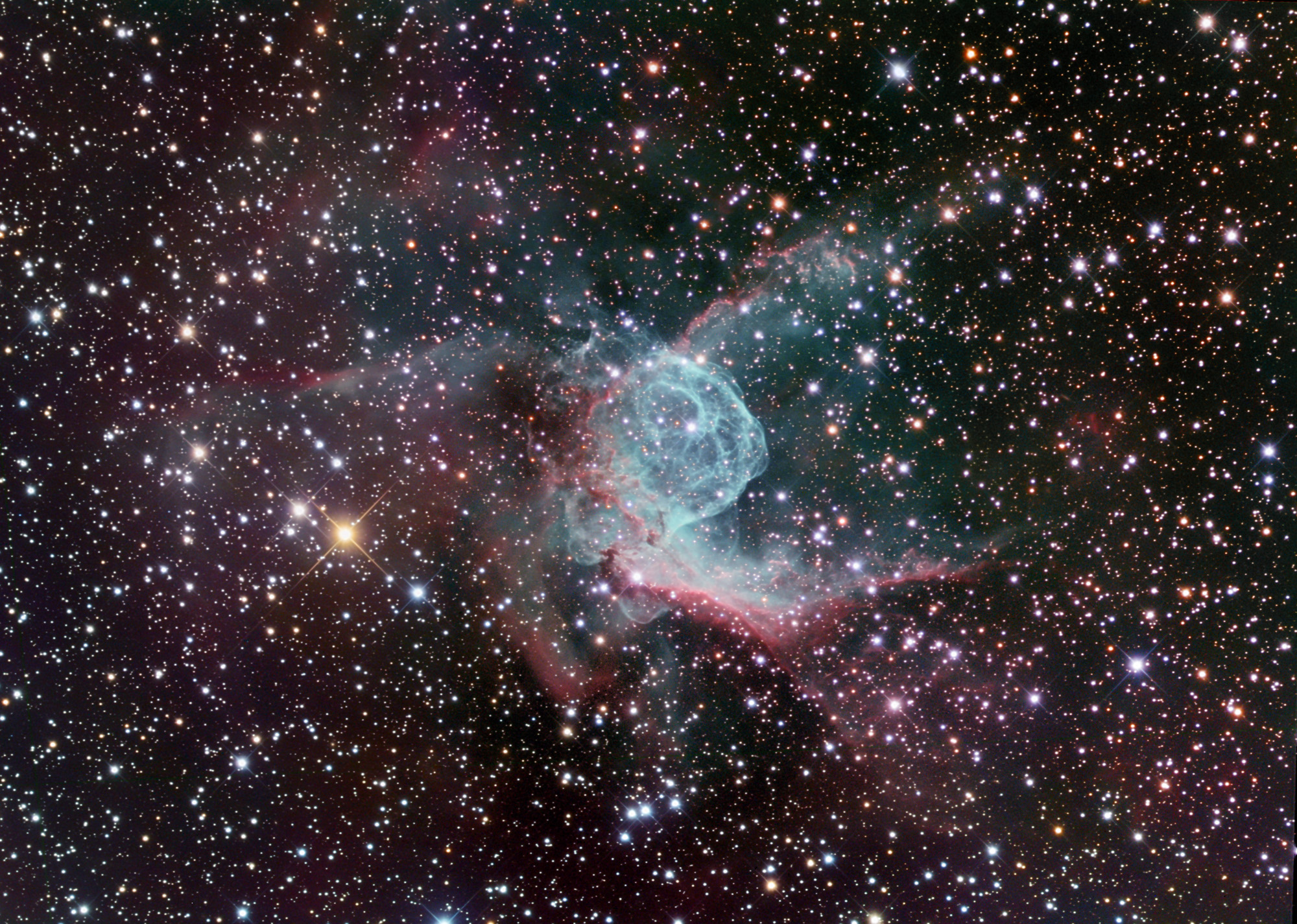
Thor's Emerald Helmet
This looks so nice, like a big exploding bubble. It's called Thor's Helmet and it's around 30 light years across. At the center, there lies a huge star in its presupernova stage of evolution. The picture makes the constellation seen very delicate and fragile.

January 11, 2008

Friedrich Wilhelm Bessel

Friedrich Wilhelm Bessel was born in Minden on July 22, 1784. At the age of 14, he went to Bremen to work in an import-export business for the Andreas Kuhlenkamp company. During his 7-year apprenticeship at the company, Bessel prepared himself for naval overseas voyages with geography, Spanish, English, navigation, astronomy, and mathematics.
In 1804, Bessel wrote a paper on comet Halley with the observations made by Harriot in 1607. With Olbers’s advice, Bessel elaborated his work and got it published. Then in 1806, Bessel started observational work at the Lilienthal Observatory near Bremen. His work revolved around comets, asteroids, planets, occultations, eclipses, atmospheric effects, and instrumental studies. In 1809, Bessel became the director of King Frederick William III of Prussia’s new Konigsberg Observatory and a professor of astronomy at Albertus University. But before that, he was awarded a doctorate by the University of Gottingen. In 1812, he was elected to the Berlin Academy of Sciences. In the same year, he also married Johanna Hagen and had 4 children later.
Bessel contributed significantly to mainly astronomy and related fields. His first contribution to astronomy was on Halley’s 1607 aparation. His continued interest in comets led to numerous observations and calculations of the orbits which improved the methods for orbit calculation. In 1831, he started working together with J.J. Baeyer to undertake a geodetical survey of East Prussia which was later published in 1938. Using the differences between geodetical and astronomical coordinates, Bessel derived with the Bessel Normal Ellipsoid which stated that the figure of Earth is an oblated spheroid with ellipticity 1/299. In 1836, Bessel published the Physical Theory of Comets which stated that comets are mainly made of volatile matter. In addition, he was able to accurately determine the masses of Jupiter and Saturn after observing their satellites. His most prominent contribution is his success in being the first to successfully determining a stellar parallax and distance of a star, specifically the double star 61 Cygni. Then his physical studies in 1939 led up to the new Prussian measurement system. In 1824, Bessel invented the Bessel functions to the mathematics. He also developed the potential theory and second pendulum for physics.
On March 17, 1846, Bessel died from a long mysterious disease that is believed to be intestine cancer. During his lifetime, he was honored by numerous academy memberships, including honor from Fellow of Royal Society and a gold medal from the Royal Astronomical Society. He was honored more after his death when the astronomical community named a moon crater and an asteroid after him.
3.1 APOD

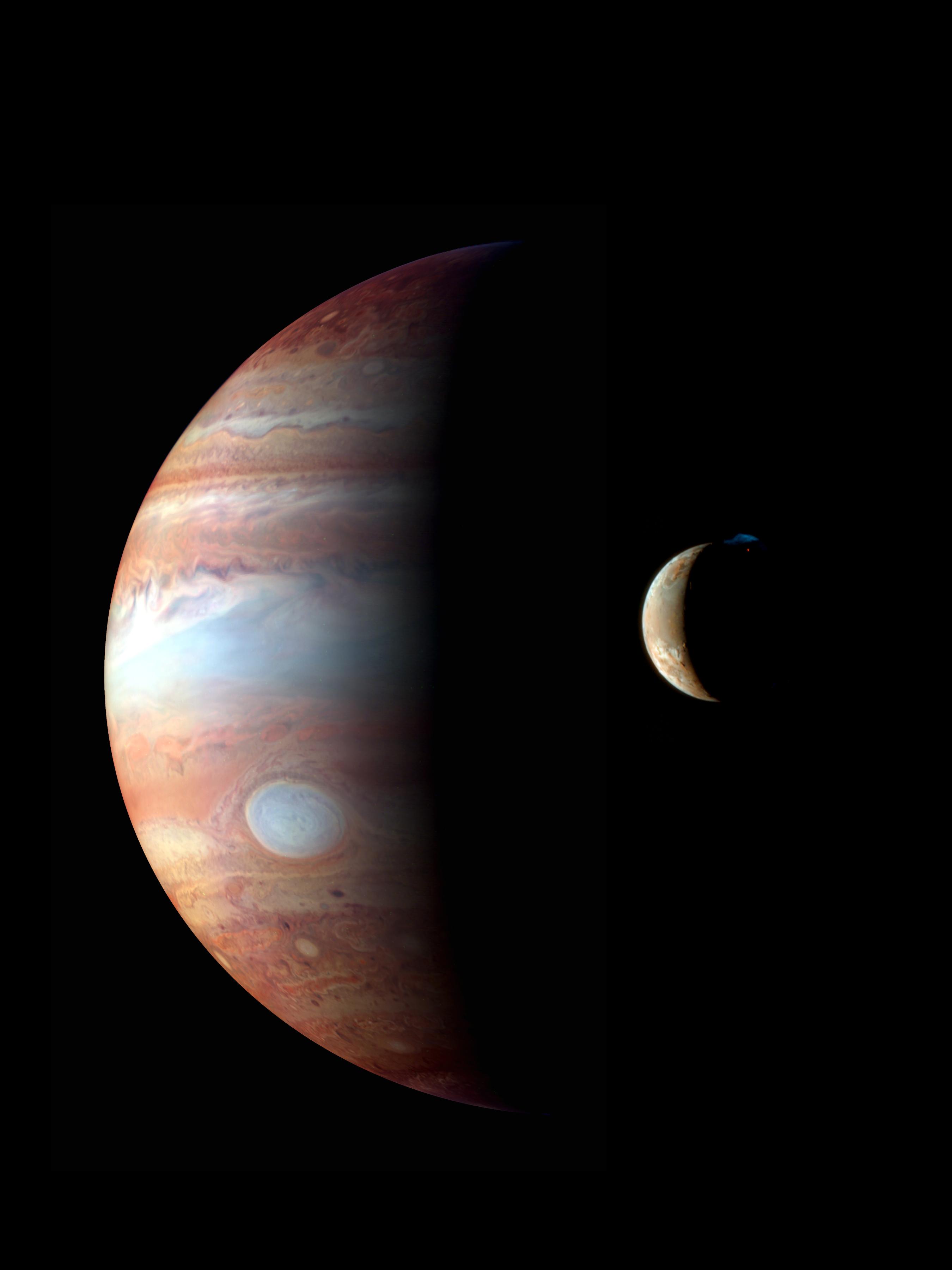
A Jupiter-Io Montage from New Horizons
This picture was taken by the New Horizons spacecradt as it passed by Jupiter and Io. Because of the infared light, Jupiter's Great Red Spot appears to be white. The colors of Jupiter in this picture makes it seem like it mostly has a high climate with a band of very low climate intertwined. I like the little plume on Io cause by its erupting volcano. Even though it's so small, it looks like its glowing brightly.

January 9, 2008

2.8 APOD

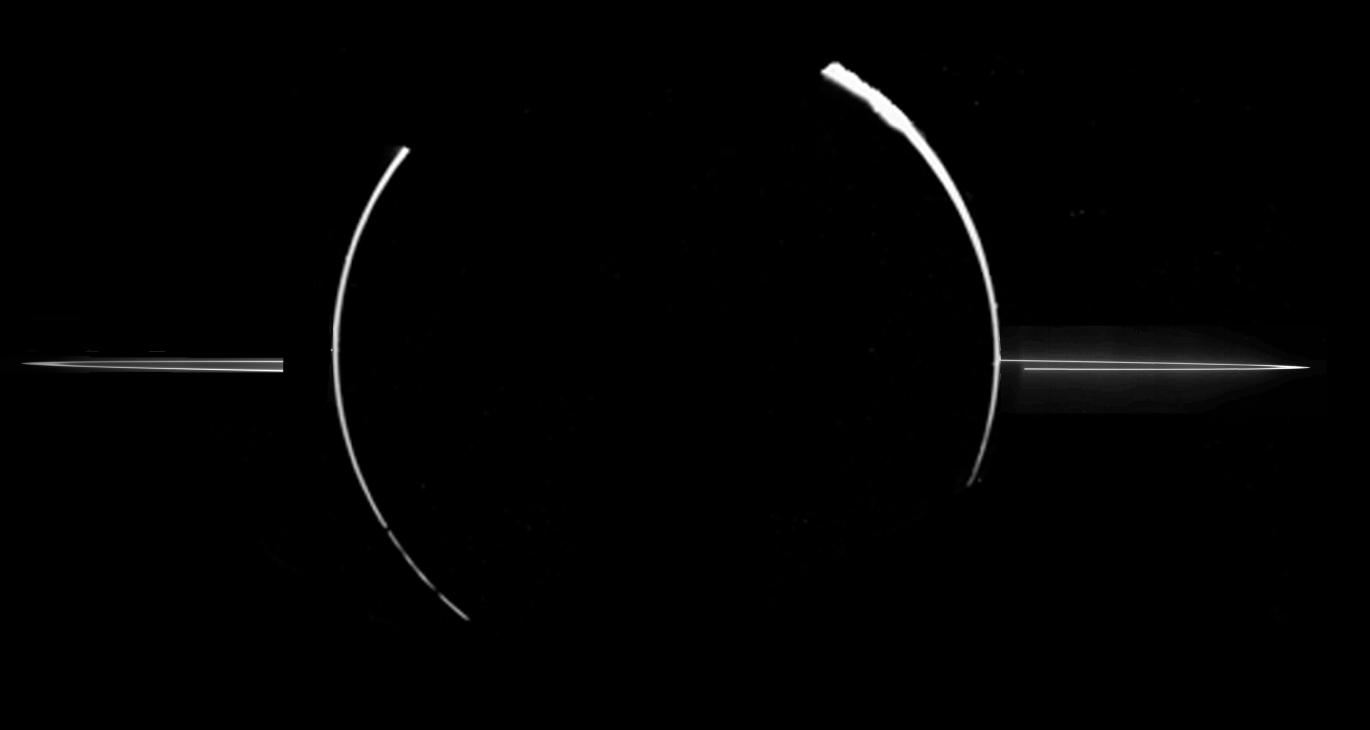
Jupiter's Rings Revealed
Jupiter's rings were discovered by Voyager 1 in 1979. These rings were created by meteroid impacts on nearby moons causing dust to fly off into the planet's orbit. As viewed from Gallileo, small dust particles in Jupiter's rings and atmosphere can be seen during the eclipse of the moon.

2.7 APOD

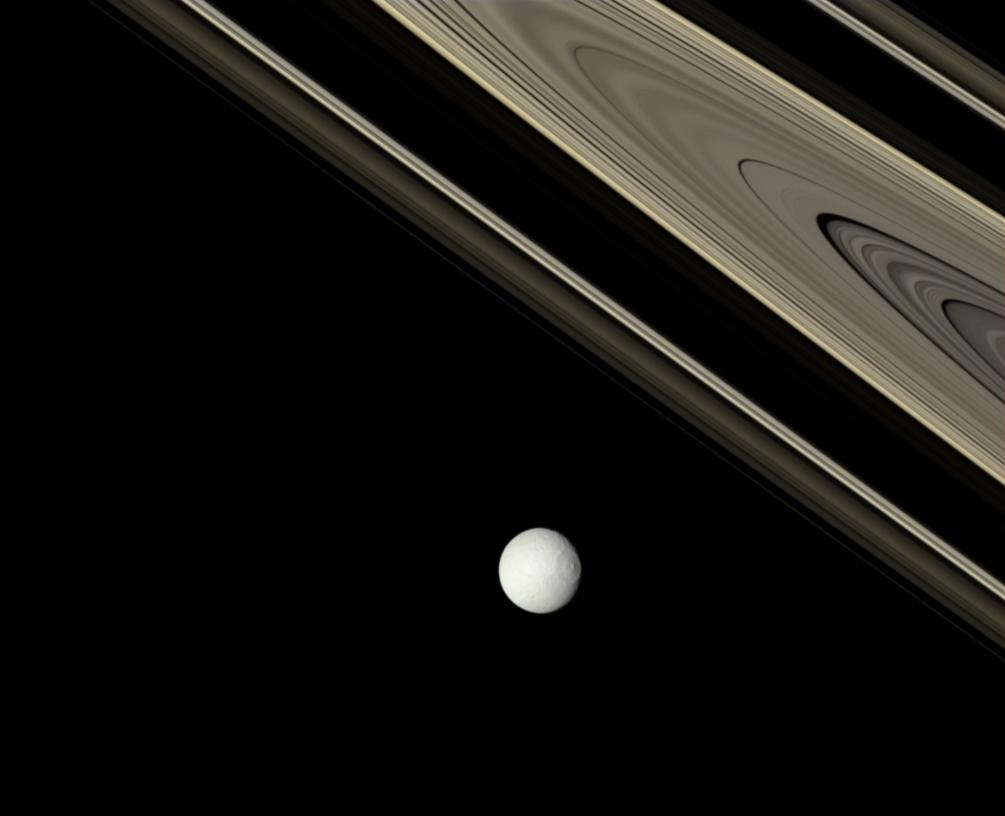
Saturn's Ancient Rings
Saturn's rings were thought to be recently formed by the moon sized object that broke up near the planet. But new evidence have suggested that the rings are much older than expected, maybe even as old as Saturn itself. It could have been because of the ring particles that collided with each other and brought out the newer particles to surface that mislead astronomers to think that the rings were newer.